
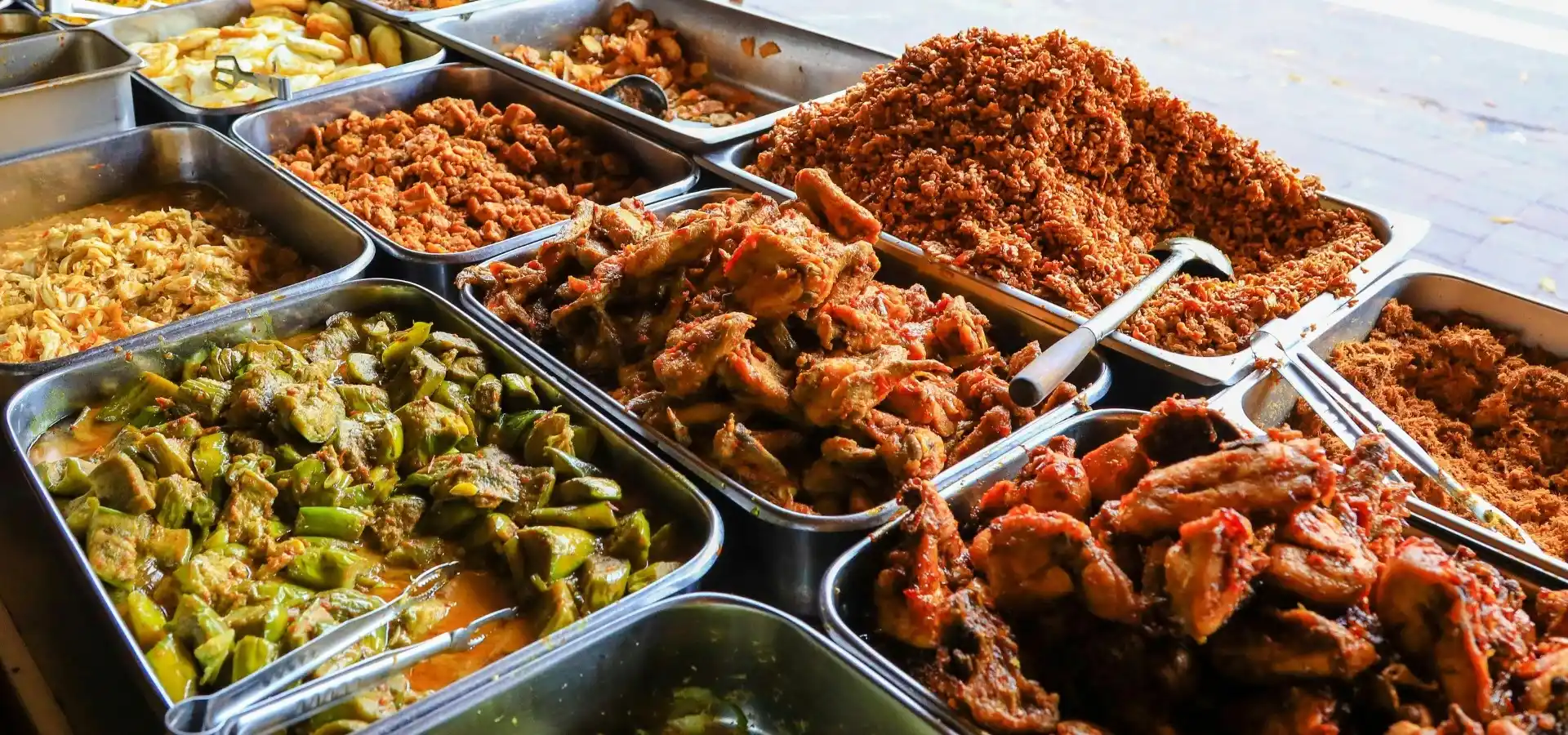
Bali Street Food Guide: What to Eat, Where to Go and How to Order Like a Local
Bali Street Food Guide: Quick Answer for First-Time Visitors
The best way to experience Bali street food is to start at a busy night market, order freshly cooked dishes, carry small cash, and try a mix of grilled satay, nasi campur, babi guling, martabak, bakso, and sweet local snacks. For first-timers, Sanur’s Sindhu Night Market is the easiest place to begin. For a stronger local feel, Gianyar Night Market near Ubud and Kreneng Market in Denpasar offer more variety, lower prices, and a less polished atmosphere.
Go between 6 PM and 8 PM, when stalls are open, food is fresh, and popular dishes have not sold out. A simple street-food meal usually costs far less than a restaurant dinner, but the best experience comes from knowing what to order, how spicy to ask for it, and which stalls to trust.
What Makes Bali Street Food Different?
Bali street food is not just “cheap food.” It is where local workers eat dinner, families pick up snacks, and vendors specialize in one or two dishes they may have cooked for years. Unlike restaurant menus built for tourists, street-food stalls are usually focused, fast, and direct.
The flavors are bold: grilled coconut, turmeric, lemongrass, shallots, chili, palm sugar, fried garlic, smoky charcoal, and sambal. Rice appears often, but the side dishes change everything. One plate can be sweet, smoky, salty, spicy, crunchy, and fresh at the same time.
The main difference visitors notice is pork. Bali has a Hindu-majority culture, so pork dishes such as babi guling and pork satay are more common here than in many other parts of Indonesia. That said, you will still find plenty of chicken, seafood, vegetarian snacks, noodles, soups, and rice dishes.
Best Street Foods to Try in Bali
Sate Lilit
Sate lilit is one of the best first dishes to try because it feels unmistakably Balinese. Instead of whole meat cubes, minced fish, chicken, or pork is mixed with spices and coconut, then wrapped around a skewer or lemongrass stalk before grilling.
The texture is soft and juicy, with a smoky edge from the grill. It is easy to eat while walking around a market, and it works well for travelers who want something flavorful but not too heavy.
How to order it: Ask for sate lilit and check whether it is fish, chicken, or pork. If you do not eat pork, ask “ayam?” for chicken or “ikan?” for fish.
Babi Guling
Babi guling is Bali’s famous roast suckling pig, usually served with rice, crispy skin, spiced meat, lawar, sambal, and sometimes soup. It is rich, intense, and often spicy.
This is not always a night-market snack. Many babi guling stalls are lunch-focused and may sell out by afternoon. If you want the best version, go earlier in the day rather than treating it as a late-night backup.
Best for: Meat eaters who want a true Balinese classic.
Mistake to avoid: Do not assume every plate is mild. The sambal can be seriously hot.
Nasi Campur Bali
Nasi campur means “mixed rice,” and it is one of the easiest meals for travelers because you get a bit of everything on one plate. A typical Balinese version may include rice, shredded chicken, vegetables, tempeh, sambal, peanuts, egg, sate lilit, or lawar.
This is the dish to choose when you are hungry but unsure what to order. It gives you a quick introduction to local flavors without needing to pick five separate snacks.
Pro tip: Look at what locals are ordering and point to the sides you want. Many stalls are comfortable with pointing-style ordering.
Lawar
Lawar is a mixed vegetable, coconut, spice, and meat dish often served as a side with babi guling or nasi campur. It can be made with pork, chicken, jackfruit, or vegetables.
For first-time visitors, lawar may taste unfamiliar because it is not a simple salad. It is earthy, aromatic, and sometimes spicy. Try a small portion first, especially if it is served from a large tray.
Bakso
Bakso is Indonesia’s popular meatball soup, often served from carts or small stalls. It usually comes with broth, noodles, meatballs, tofu, greens, fried shallots, and chili sauce on the side.
This is a good street-food choice if you want something hot, filling, and simple. Because the broth is served hot, it can also feel more reassuring for cautious eaters than cold salads or raw toppings.
Best for: A quick dinner, rainy evening, or low-cost meal.
Mie Goreng
Mie goreng is fried noodles with egg, vegetables, sauce, and sometimes chicken or seafood. It is not exclusive to Bali, but it is widely available and dependable.
Choose it when you want familiar comfort food with Indonesian flavor. At street stalls, it is often cooked fresh in a wok, which is exactly what you want to see.
Nasi Goreng
Nasi goreng is fried rice, usually served with egg, chicken, vegetables, kerupuk crackers, and sambal. It is filling, affordable, and easy to find almost everywhere.
For travelers with limited spice tolerance, nasi goreng is a safe starting point. Ask for “tidak pedas” if you want it not spicy.
Martabak
Martabak comes in two main styles. Martabak telur is savory, usually filled with egg, meat, spring onion, and spices. Martabak manis is sweet, thick, buttery, and often filled with chocolate, peanuts, cheese, or condensed milk.
It is best shared because portions can be heavy. Order it as a late-night snack rather than a full dinner unless you are very hungry.
Gorengan
Gorengan means fried snacks. You may see fried banana, tofu, tempeh, cassava, vegetable fritters, and other crispy bites stacked at roadside stalls.
They are cheap and tempting, but choose stalls with fast turnover. Freshly fried is much better than food sitting cold in oil.
Jajan Bali
Jajan Bali refers to traditional Balinese sweets and market snacks. Expect sticky rice, coconut, palm sugar, banana, pandan, and soft chewy textures. These are great for breakfast markets or an after-dinner sweet bite.
If you see colorful trays of small cakes, ask the vendor for a mix. It is one of the easiest ways to try several local sweets without over-ordering.
Best Places to Eat Street Food in Bali
Sindhu Night Market, Sanur
Sindhu Night Market is one of the easiest introductions to Bali street food. It is compact, popular with both locals and tourists, and less intimidating than larger markets. You can try satay, nasi goreng, bakso, martabak, fruit juice, and simple local snacks in one visit.
This is a good choice if you are staying in Sanur, traveling with family, or feeling nervous about your first street-food experience.
Best time to go: Around 6 PM to 7:30 PM.
Best for: First-timers, families, casual eaters, and travelers who want a cleaner, more manageable market.
Gianyar Night Market, Near Ubud
Gianyar Night Market is better for travelers who want a deeper local experience. It is larger, busier, and more traditional than Sindhu. Expect smoke from grills, packed food stalls, fried snacks, roast meats, soups, sweets, and a strong local dinner crowd.
It is especially useful if you are staying in Ubud and want something more affordable and local than the restaurants around the center.
Best time to go: Around 6 PM to 8 PM.
Best for: Ubud travelers, adventurous eaters, photographers, and anyone who wants variety.
Kreneng Market, Denpasar
Kreneng Market is one of the most local options and works best for travelers who are comfortable with busy urban markets. During the day, it functions as a regular market. In the evening, the food scene becomes more active with stalls selling Indonesian and Balinese dishes.
Go here if you want fewer tourist filters and a more everyday Denpasar atmosphere.
Best time to go: After 6 PM.
Best for: Repeat Bali visitors, street-food lovers, and travelers staying near Denpasar or Sanur.
Local Warungs Near Your Hotel
Not every good street-food meal happens in a famous market. Some of the best low-cost meals in Bali come from small warungs near guesthouses, offices, beaches, and residential streets.
A good warung usually has steady local traffic, a short menu, visible food turnover, and staff who know exactly what they are serving. If you see office workers, drivers, or local families eating there, that is often a better signal than a decorative signboard.
Beach and Roadside Grills
In some areas, especially around evening gathering spots, you may see grilled corn, satay, and simple snacks sold near beaches or roadside corners. These are good for light eating, not necessarily a full dinner.
Choose stalls where food is cooked in front of you. Avoid seafood or meat that has been sitting out too long without heat.
How Much Does Bali Street Food Cost?
Street food in Bali is generally affordable, but prices vary by location. Local markets in Denpasar or Gianyar are usually cheaper than tourist-heavy streets in Seminyak, Canggu, or Ubud center.
A practical street-food budget looks like this:
For a light snack, plan around IDR 5,000 to IDR 20,000. This covers fried snacks, sweets, or small skewers.
For a simple local meal, plan around IDR 20,000 to IDR 50,000. This usually covers nasi goreng, mie goreng, bakso, nasi campur, or satay.
For a bigger meal with meat, multiple dishes, drinks, or a more tourist-friendly setting, plan around IDR 50,000 to IDR 100,000 or more.
Carry small notes. Vendors may not always have change for large bills, especially at smaller stalls.
Best Time to Eat Street Food in Bali
Evening is the best time for Bali street food, especially from 6 PM to 8 PM. By then, most night-market stalls are open, the grills are active, and food turnover is high.
Lunch can be better for dishes like babi guling, nasi campur, and local warung meals. Many of these dishes are prepared earlier in the day and may sell out before dinner.
Late-night eating is possible in busier tourist areas, but quality becomes more inconsistent. If a stall looks quiet and food has been sitting out for hours, skip it.
How to Order Street Food in Bali
Ordering is usually simple, even if you do not speak Indonesian. Many vendors understand basic English in tourist areas, but pointing, smiling, and keeping your order simple works everywhere.
Useful phrases:
Berapa? — How much?
Tidak pedas — Not spicy
Sedikit pedas — A little spicy
Pedas — Spicy
Tanpa babi — Without pork
Tanpa daging — Without meat
Ayam — Chicken
Ikan — Fish
Satu — One
Dua — Two
Terima kasih — Thank you
When ordering nasi campur, point to the sides you want. When ordering satay, confirm the meat. When ordering sambal, start small. Balinese chili can be much hotter than many visitors expect.
Street Food Safety Tips for Bali
Street food can be a highlight of a Bali trip, but a few smart habits make the experience easier on your stomach.
Choose stalls with high turnover. A busy stall is usually safer than a quiet one because food is cooked and sold quickly.
Watch the cooking. Grilled, fried, boiled, and wok-cooked dishes are better choices than lukewarm food sitting uncovered.
Be careful with raw vegetables and sauces. Fresh herbs and sambal are delicious, but if your stomach is sensitive, use small amounts first.
Drink bottled or properly filtered water. Avoid tap water, and be cautious with ice in very basic stalls unless you are confident it is factory-made or from a reliable source.
Wash or sanitize your hands before eating. Many street-food meals involve skewers, paper packets, or shared seating.
Do not overdo it on night one. Try two or three dishes first. Let your stomach adjust before turning the whole trip into a food crawl.
What Vegetarians Can Eat
Vegetarians can eat well in Bali, but they need to ask carefully because shrimp paste, chicken stock, fish sauce, or pork may appear in dishes that look vegetable-based.
Good options include gado-gado, tempeh, tofu, vegetable nasi campur, fried banana, vegetable fritters, corn, rice cakes, and some noodle dishes. Ask for “tanpa daging” for no meat, but also check for egg, fish sauce, or shrimp paste if you avoid those.
A safer approach is to eat at local vegetarian warungs during the day and use night markets for snacks, sweets, and freshly fried items.
What to Eat If You Do Not Like Spicy Food
Bali street food can be spicy, but not everything is fiery. Choose nasi goreng, mie goreng, bakso, grilled corn, martabak manis, roti bakar, fried banana, and simple satay with sauce on the side.
The key phrase is “tidak pedas.” Say it clearly when ordering, and ask for sambal separately. Avoid mixing sambal into your food before tasting it.
If something is still too hot, order rice, iced tea, or a sweet drink. Water alone does not always help with chili heat.
How to Build a Simple Bali Street Food Night
Start with one filling dish, then add snacks. This prevents over-ordering and keeps the experience enjoyable.
Begin with nasi campur, bakso, or mie goreng. Then try sate lilit or satay from a busy grill. Add one fried snack, such as tempeh or banana fritter. Finish with martabak manis, jajan Bali, or a fresh fruit drink.
Do not buy everything from the first stall you see. Walk through the market once, notice where locals are queueing, then circle back.
Transportation Tips for Food Markets
For most travelers, ride-hailing apps or metered taxis are easier than self-driving at night. Markets can be crowded, parking may be limited, and traffic around Denpasar, Ubud, Sanur, and Canggu can slow down quickly in the evening.
If you are going from Ubud to Gianyar Night Market, allow more time than the map suggests, especially during dinner hours. If you are staying in Seminyak or Canggu and visiting Denpasar or Sanur, plan the food stop as your main evening activity rather than a quick detour.
For families or groups, hiring a driver for the evening can be more comfortable than arranging multiple rides after dinner.
Common Mistakes to Avoid
Arriving Too Late
Many travelers arrive after 9 PM and find limited choices. Go earlier for fresher food and better variety.
Ordering Too Much at Once
Street food is best enjoyed in rounds. Order one or two items, eat, then decide what comes next.
Ignoring Sambal Strength
Sambal can transform a dish, but it can also overpower it. Taste first.
Paying Tourist Prices Without Asking
Always ask “berapa?” before ordering if prices are not displayed. This avoids confusion and keeps the exchange friendly.
Choosing Empty Stalls Because They Look Cleaner
A clean stall is good, but no customers can be a warning sign. A busy stall with fast cooking is usually a better bet.
Forgetting Cash
Some stalls may accept QR payments or local apps, but visitors should not rely on that. Small cash is still the safest option.
Best Street Food Areas Based on Where You Stay
If You Stay in Sanur
Start with Sindhu Night Market. It is convenient, easy to navigate, and good for a relaxed first night.
If You Stay in Ubud
Visit Gianyar Night Market. It is one of the best food-focused evening trips from Ubud and gives you more local variety than central tourist streets.
If You Stay in Seminyak or Canggu
Use local warungs for daytime meals and consider a planned evening trip to Denpasar, Sanur, or Gianyar if you want a stronger night-market experience. Street food exists in these areas, but prices and atmosphere can be more tourist-influenced.
If You Stay in Nusa Dua
Expect a more resort-focused dining scene. For real street food, plan a trip to Sanur or Denpasar, or ask your driver for a local warung stop on the way back from sightseeing.
If You Stay in Kuta or Legian
You will find plenty of casual stalls, snacks, and Indonesian food, but choose carefully. Stick to busy places with visible cooking and clear prices.
Practical Bali Street Food Checklist
Carry small cash, tissues, hand sanitizer, and a bottle of water. Wear comfortable shoes because many markets involve standing, walking, and shared seating. Do not bring large bags or flashy valuables into crowded markets.
Save your hotel location before leaving, especially if you are using ride-hailing apps after dark. If you have food allergies, write them down clearly in Indonesian before ordering.
Most importantly, stay flexible. The best dish of the night may not be the one you planned to eat. It may be the smoky skewer everyone is queueing for, the sweet cake a vendor recommends, or the bowl of soup you ordered because it smelled too good to ignore.
FAQs About Bali Street Food
Final Advice: How to Enjoy Bali Street Food Well
For your first Bali street-food night, keep it simple: choose a busy market, arrive early, walk around before ordering, start with freshly cooked dishes, and try only a few new foods at a time. Sindhu is the easiest first stop, Gianyar is the better food adventure from Ubud, and Kreneng is ideal if you want a more local Denpasar experience.
Bali street food is not about ticking off every famous dish in one night. It is about slowing down, watching the grills, following the queues, asking simple questions, and letting the evening unfold one plate at a time.